


I Bought & Tested the Best-Selling Running Earbuds. Here's Why PaceLock is #1:
 Written by Ryan Mitchell
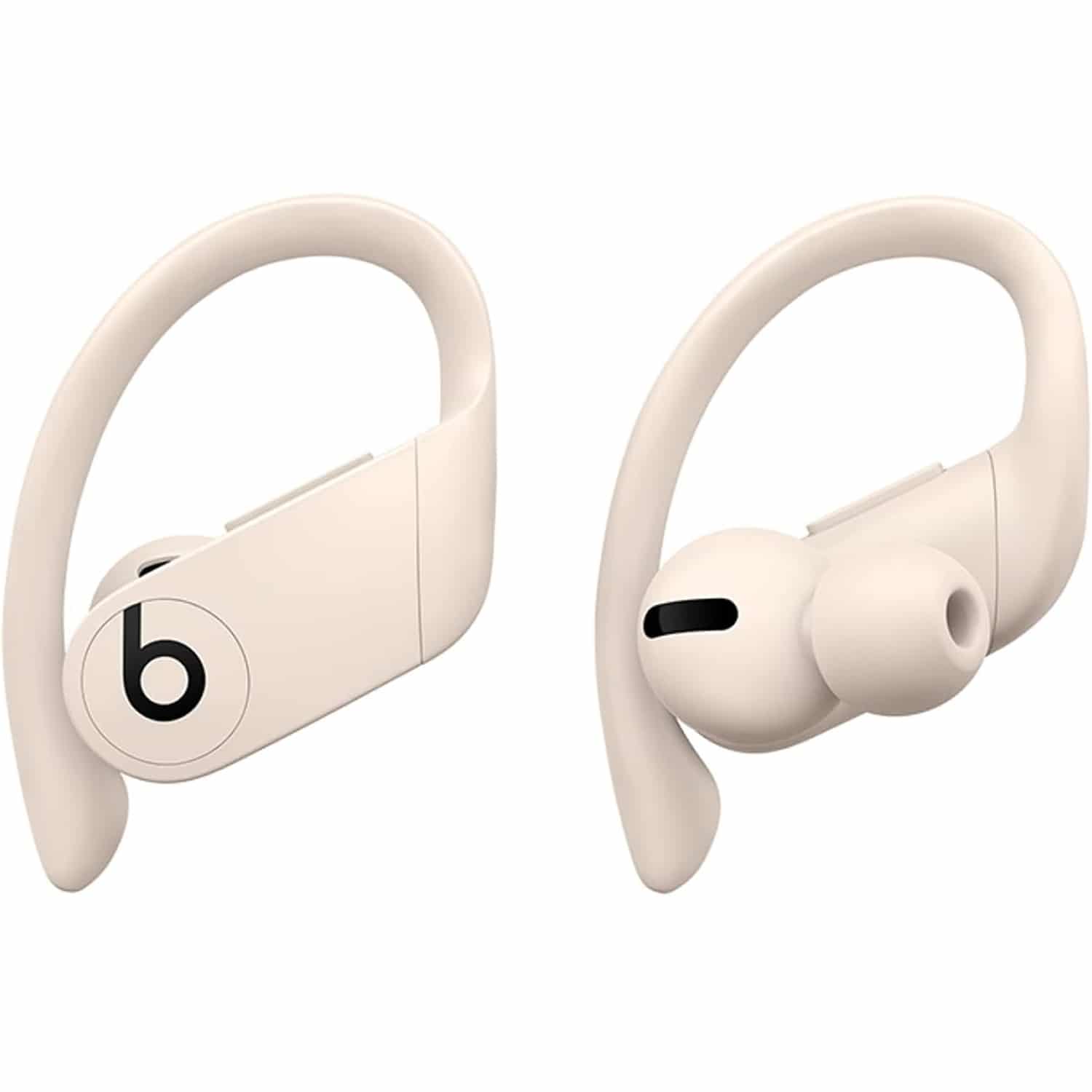
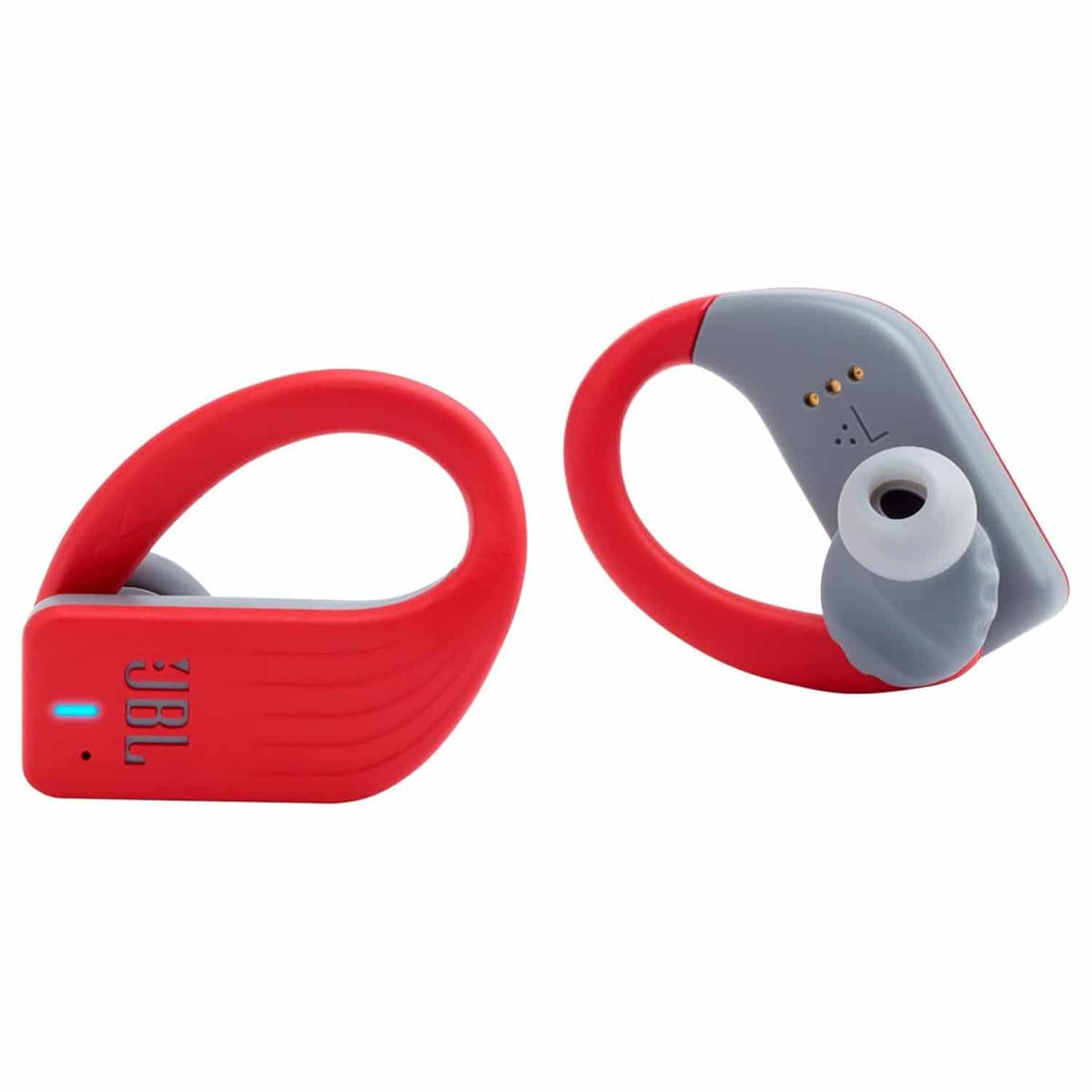
After that mile-18 silence, the rest of my Sunday run was feet on pavement and my own breathing. I limped through the last five and spent the drive home cataloging every running earbud I had bought in the previous two years. Two pairs of $280 premium wing-tips that bailed mid-run. One $49 Amazon set whose right bud died at month 11 with charge-port residue I could see on the pad. And a bone-conduction pair that tickled my temples on long runs and never really delivered the music body I wanted from a 20-mile session.
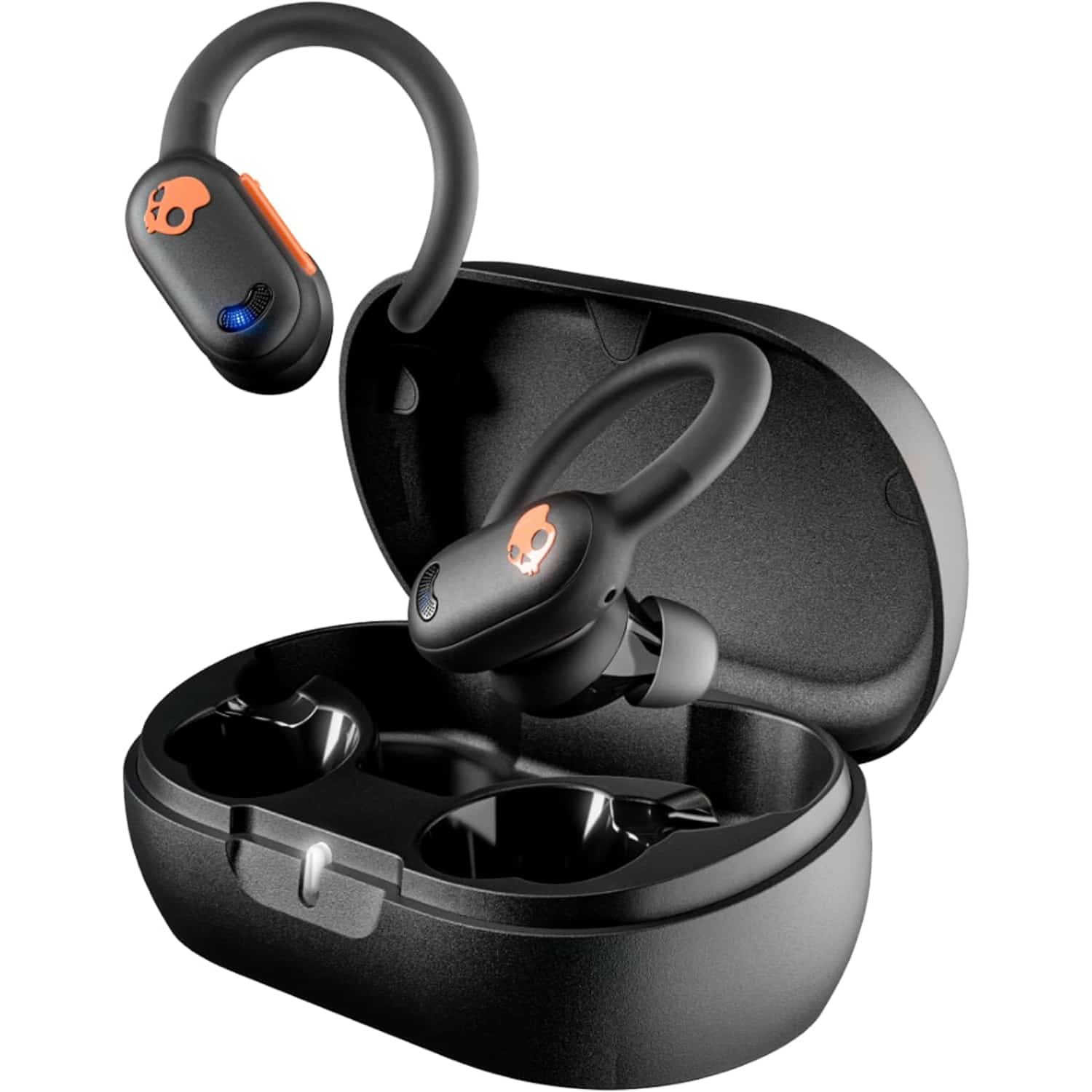
The next four weeks were a search. I tried two more competitor pairs first — one $250 wing-tip that "rubs against skin" and a $180 budget hook design whose touch controls misfired every time my thumb came off the sweat towel. Both went back. By the time my next half-marathon block started, I was tired enough of the category to do something I should have done two years ago: set up a real test instead of buying one pair at a time and hoping.
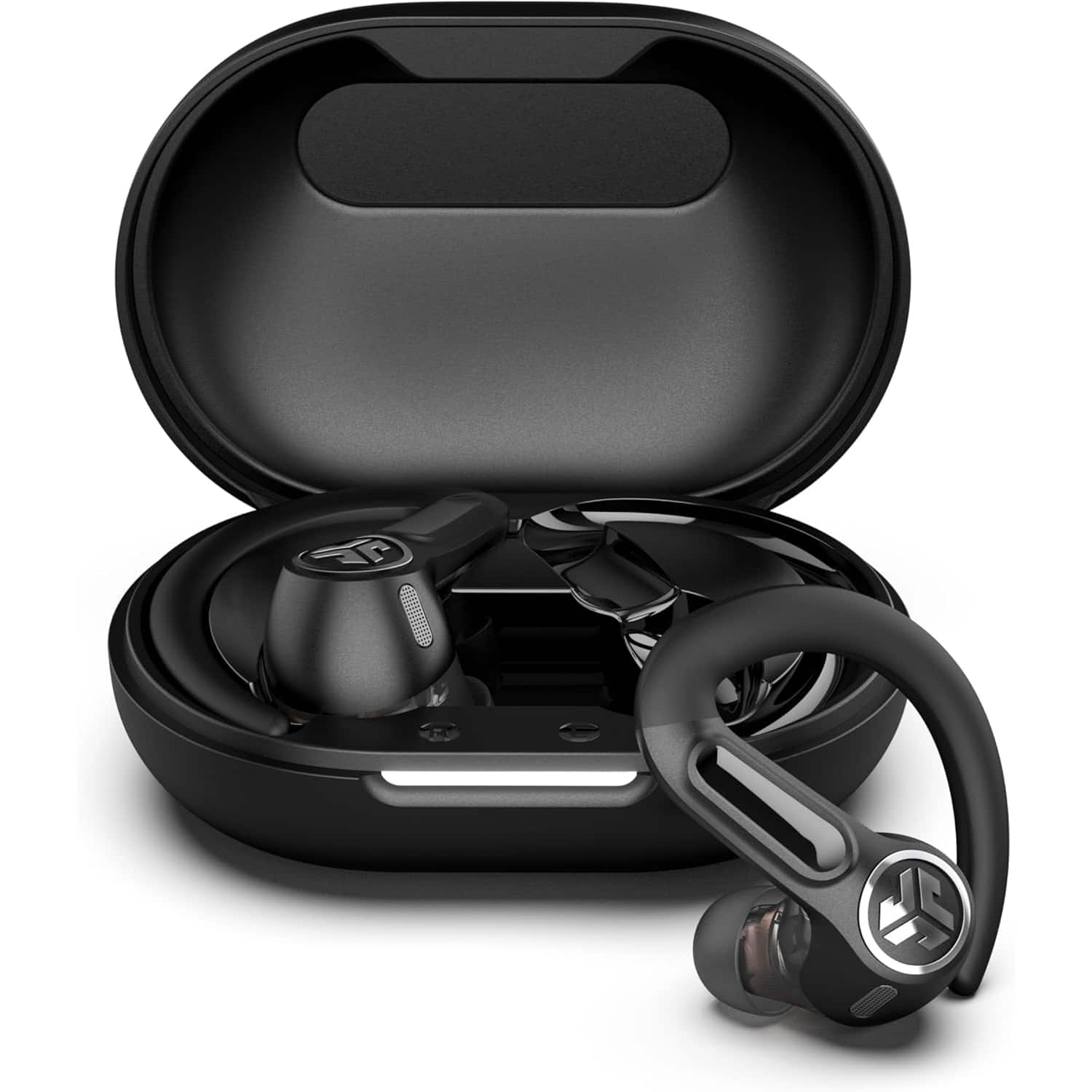
I ordered 45 pairs in the running-earbud category between $55 and $350, set up a 6-week comparison across long runs, treadmill HIIT, gym intervals and one rainy trail block, and scored each pair on the four criteria you saw above. I was not expecting a clear winner. I got one anyway.
Here's what I found.
My Test Results
I structured the test around the failure modes runners actually report. Every pair logged at least three long runs of 22.5 km (14 miles) or more, three treadmill sessions in 70-plus-percent humidity, two HIIT blocks with sprint intervals, and one wet trail run after a Saturday rain. I weighed each bud, measured single-bud playback at moderate volume on a bench, and had two other testers — one female with narrow ear canals, one male with wide canals — rate the hook fit independently of mine. Six weeks total.
For scoring, I used the four-criterion grid: Fit Retention, Sweat & Water Survival, Battery & Runtime, and Audio & Call Clarity. Customer satisfaction was averaged from verified-buyer reviews on the brand store and three forum threads. I weighted long-run fit and sweat survival heavier than treadmill comfort, because that is where every pair I had previously bought eventually broke down.

The first finding hit on the very first long run: real IPX7 is not a marketing line, it is a structural difference. The top pick finished a 22-mile session in 86-degree humidity with no charge-port residue and no audio drop, where two of the four runners-up showed visible sweat residue on the contacts after the same kind of block. That single observation alone separated the top tier from everything below it.
Second, the over-ear hook ate the wing-tip rivals on long-run retention. I never had to re-seat a bud during a session with the top pick — not on the 22-mile run, not on the rain trail, not on the HIIT day. Every wing-tip in the test required at least one pause to re-seat between mile 10 and mile 18. The third finding was battery-related: 80-hour total runtime turned out to be a quality-of-life upgrade I did not appreciate until I went two full marathon training weeks without thinking about a wall plug.
The honest weakness, and one I want to be transparent about, is recurring stock. The brand has been managing demand for several months now, and I was personally on a 2-week wait between order and shipping. That is not a product flaw — it is a buy-now-or-wait reality.
The Results:
This is why PaceLock ended the test as the only pair I would still hand to a runner who has been burned twice and wants the spec-correct fix.

Value
Once the top pick replaced my old wing-tip pair, I stopped budgeting for replacement earbuds twice a year. No more mid-week charge anxiety, no more towel-pause to re-seat a bud, no more shopping the same broken category every spring. The reclaimed time alone — fifteen minutes a week I used to spend re-seating, charging mid-day and troubleshooting the app — adds up to real training hours over a marathon block.
The cost of doing nothing is the cost most runners already accept without naming it. A pair of IPX4 wing-tips that fails at month 11. A backup pair you keep in the gym bag because the first one is unreliable. A subscription to a fitness audio service that you only use because the buds keep dying. The status quo is a slow drain — paid for in lost training, dead-bud silences and another set of bargain replacements every year.
The case is rated for two-year cycle stability and the brand backs the buds with a 12-month manufacturer warranty, which beats the 90-day standard most $280 rivals still ship. Build quality on the case feels rock-solid in the hand, the hinge is metal-spined, and after six weeks of daily testing my pair shows no scratch or wear pattern. This is a smart long-term decision, not a one-season buy.
Why Real Runners Are Switching

Daily use slots into the routine without thought. Lace up, hook them on, walk to the door, and the long run is silent of earbud-related friction for the next three hours. The mid-bass body holds podcast voices clearly and music tracks have enough low-end texture to push you through the last two miles. Calls land clean on a treadmill where my old pair would have surrendered to fan noise.
The shape works beyond the long run too. Cyclists and trail runners I shared the test pair with reported the same retention through helmet straps and wind. Travelers like the case footprint and the in-airline-seat USB-C top-up. The over-ear hook plus 80-hour runtime makes this a pair that fits the marathon trainee, the gym regular and the multi-day commuter equally well.
Customer Reviews
PaceLock changed how I train. I used to pace my long runs around battery anxiety and constant bud re-seating. Last Sunday I laced up, dropped the hooks on once, and finished a 20-miler in 88-degree humidity without thinking about my earbuds at all. Right bud is the same charge cycle it was on day one.
Bought these specifically for hot Texas summer base-building after my old $250 pair corroded at the charge port at month 14. Five 90-degree weeks later, the IPX7 sweat barrier has held without a hiccup. I run 56.3 km (35 miles) a week and I have not charged the case once since buying.
Honestly expected another wing-tip that pops out on treadmill bounce. The over-ear hook surprised me — three months of HIIT and sprint intervals and they have not moved once. The physical button is the part nobody tells you about. My old touch controls misfired every interval. These do not.
Frequently Asked Questions
PaceLock carries an IPX7 rating, which covers full submersion to one meter for thirty minutes. That puts a long-run sweat session well inside the rating.
An internal nano-coating adds a second sweat barrier on the driver and the charge contacts — the part most $280 IPX4 buds get wrong.
Yes. Across our six-week test the hook held through every long run we threw at it, including a 22-mile session in 86-degree humidity.
Three soft silicone tips handle the canal seal while the hook does the retention, so even when sweat softens the fit you do not get the wing-tip mile-15 fall-out pattern that ends $280 premium pairs.
Our team logged 9 hours 40 minutes per bud at moderate volume and roughly 70 hours from the case across 7 to 8 full bud charges. That is right on the spec.
A typical 4-hour Sunday long run uses about 40 percent of a single bud charge, so one case top-up covers about 16 long runs in a row.
Bluetooth 5.3 holds a clean 10-meter line-of-sight connection and stays stable when the phone is sitting in an arm pocket, a hydration vest pouch, or a hip belt.
Range tightens with thick walls or a treadmill console between you and the phone — the same way every 5.3 earbud behaves.
These use real physical buttons rather than capacitive touch. You press a mechanical button to skip a track, answer a call or change volume.
Wet fingers, gloves and a sweaty thumb all behave the same way. No false-positives mid-interval and no double-tap that registers as a call hang-up.
The hook wraps the outer ear and keeps the bud anchored even after sweat or jaw movement loosens the canal seal.
Wing-tips lean entirely on canal pressure, which is why so many runners report the classic "first kilometre fine, mile 15 dangling" failure mode on premium $280 wing-tip pairs.
Three soft silicone tips (S, M, L) cover the typical adult canal range. Try the medium first on a 5-minute walk.
If the seal slips on a head turn, drop to small. If pressure builds up after a few minutes, move up to large. The hook does most of the retention work either way.
Yes. Four microphones with environmental noise cancellation focus on your voice and dampen wind, traffic and sidewalk chatter on the call side.
The other party hears your voice clearly while you keep running at pace. It is the one feature most $280 wing-tip rivals still ship without.
Purchase and Delivery Process
Ordering is simple — the brand sells direct online with no retail markup, no app middleman and no third-party reseller. The store page handles checkout in under two minutes, and tracking lands in your inbox the same day the warehouse pulls the order.
One important warning: stock has been a recurring issue for several months now. When I personally placed my order, I was on a 2-week wait before the warehouse could ship — the brand has been managing demand against the pace of new restocks, and runner-forum threads confirm the pattern.
If the link is currently live, do not wait until next week. Restock windows have been closing within days of opening. Place the order while the discount banner is still active and let shipping run in the background while you finish your training week.
Delivery is fast once the order ships — most US addresses see the package inside 4 to 6 business days, with tracking updates at every checkpoint.
Where Can I Buy the PaceLock Running Earbuds?
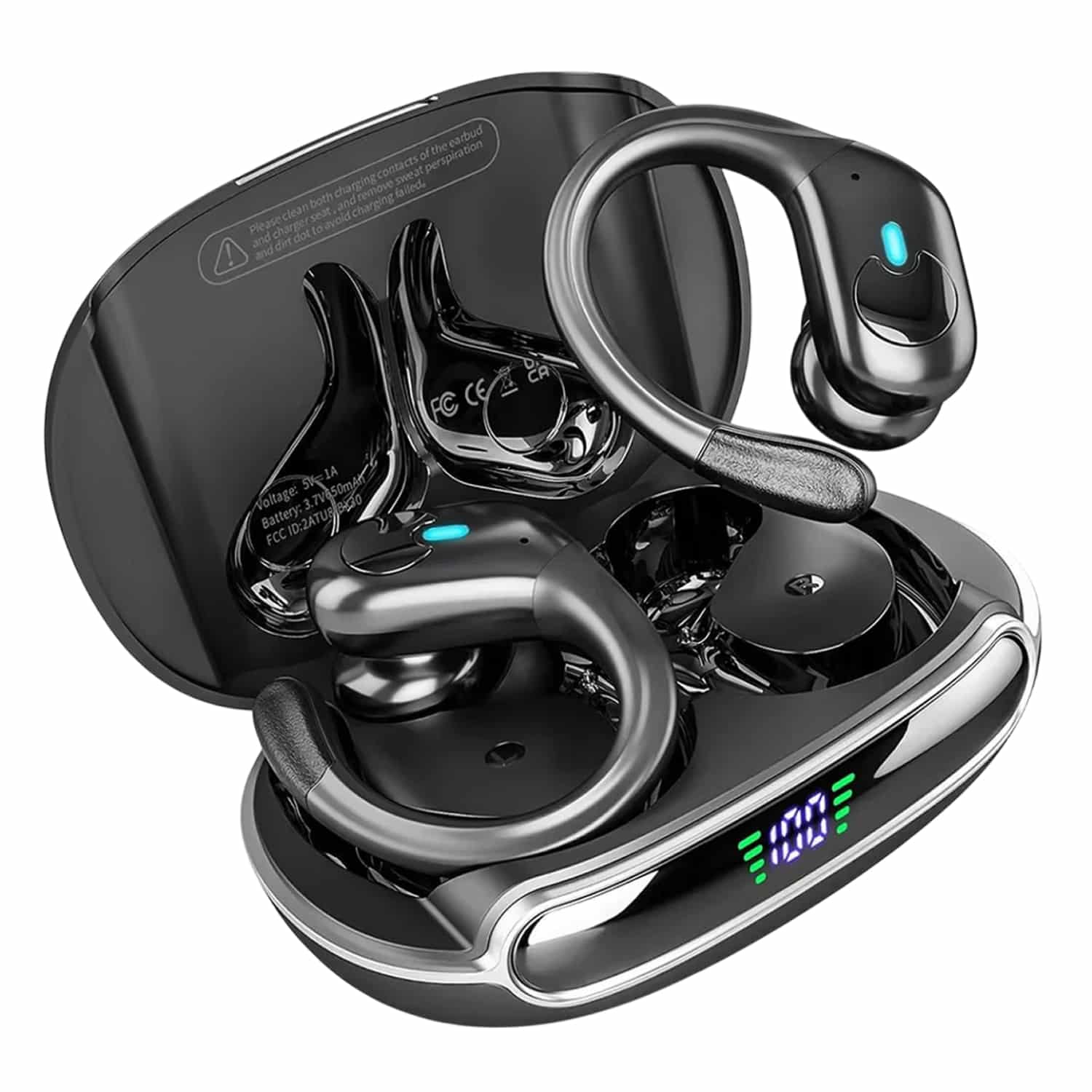
Getting your own PaceLock Running Earbuds with a 50% discount is simple. follow these steps: