



I Bought & Tested the Best-Selling Bike Cameras. Here's Why VeloLux is #1:
 Written by Ryan Mitchell
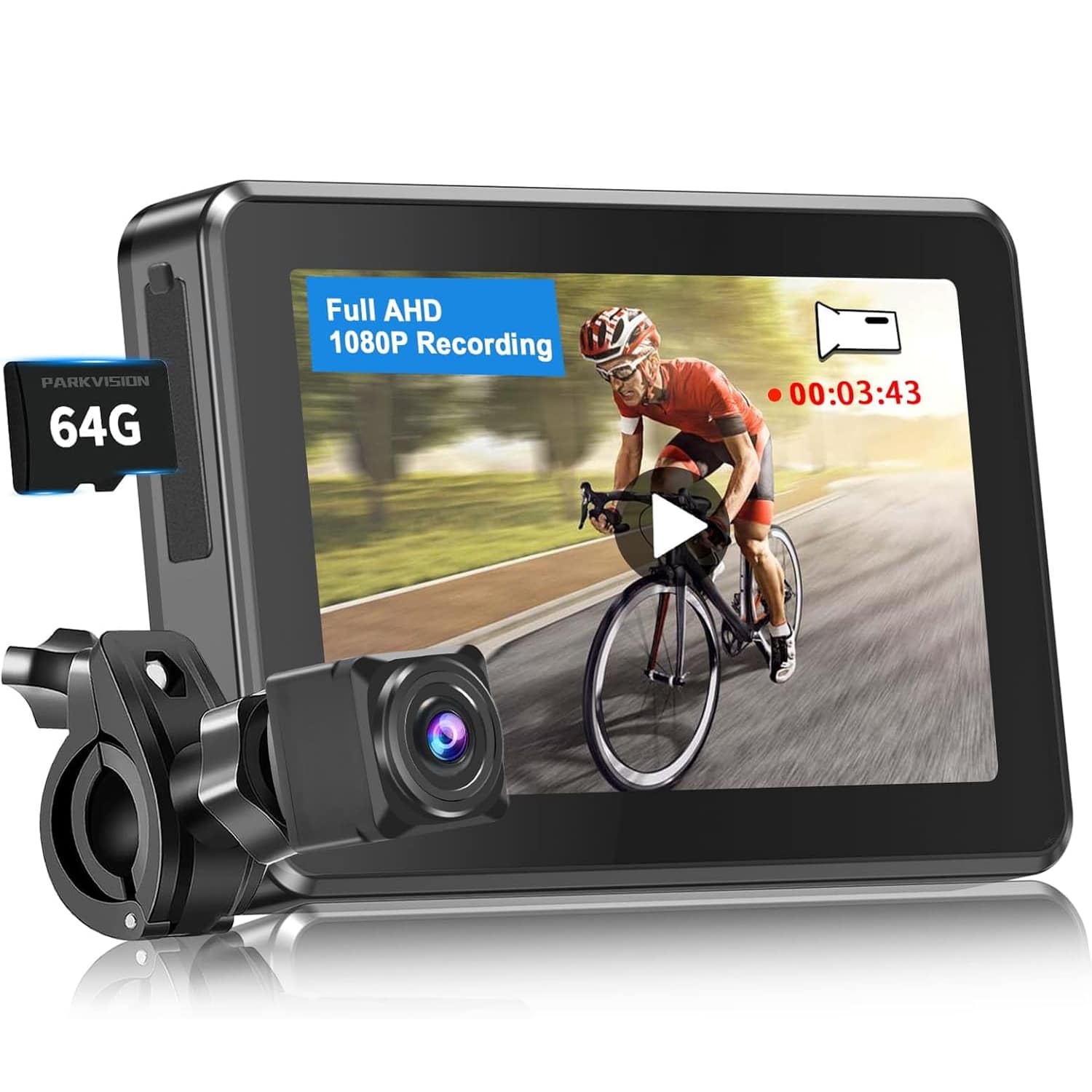
After the white sedan and the bent wheel, I did the thing every angry cyclist does. I bought the first highly-rated action cam on Amazon, zip-tied it to my bars, and figured I had bought peace of mind. The next close pass came two weeks later. I pulled the SD card. The plate at ten feet was a smear of pixels. The cop took the clip and never called back. The peace of mind was an illusion.
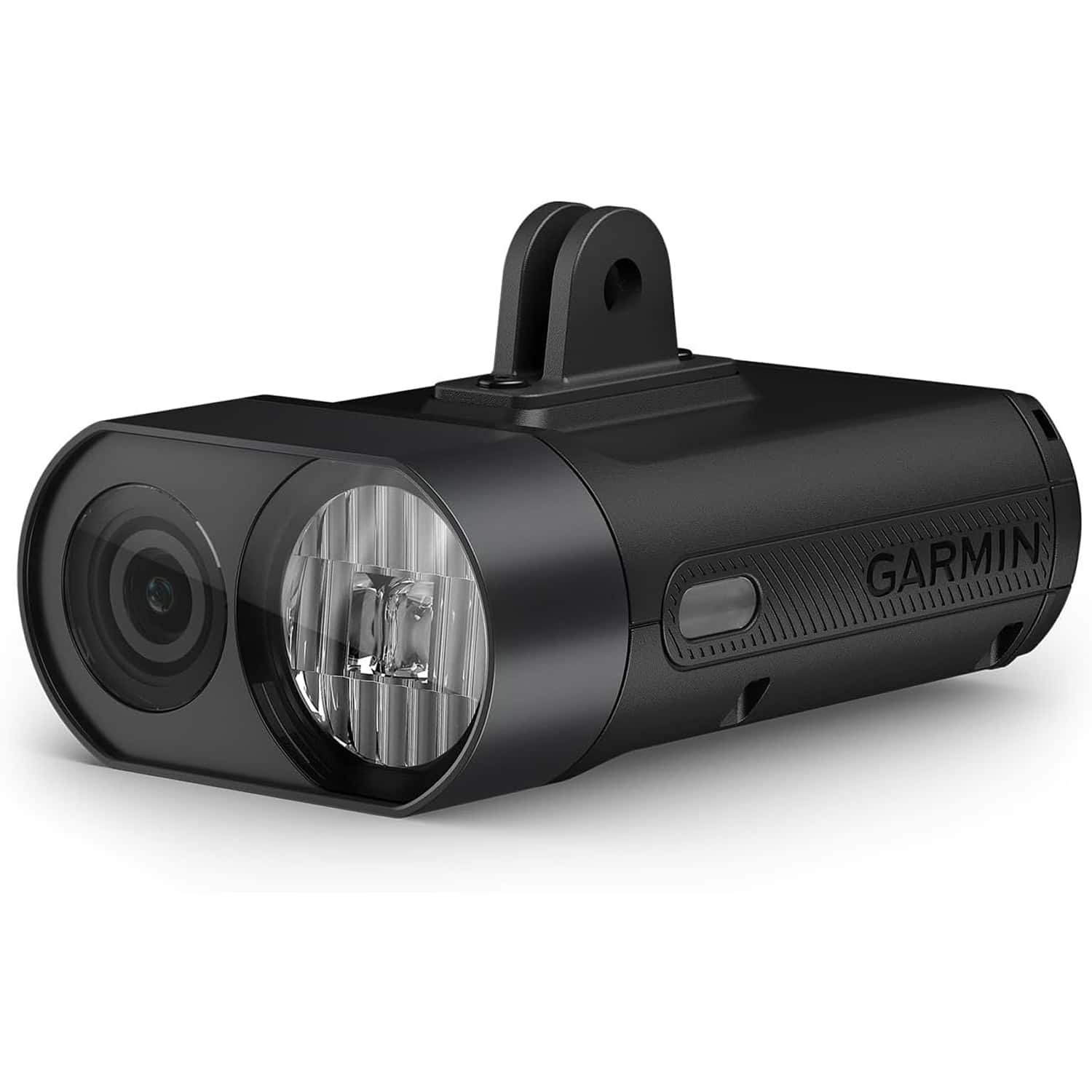
So I started over and bought wider. A premium Cycliq Fly12 CE that delivered 1080p at $419 and a battery that shrank to 4 hours by month 11. A Garmin Varia RCT715 with the radar I wanted and only 4 hours all-on at $559. A GoPro Hero 12 Black that shot the prettiest 5.3K I have ever seen and ran out of cell at 90 minutes — exactly the wrong camera for a commute. Two AKEEYO units (one fogged, one didn't). Three nameless Amazon clones that fell off the bars before mile 50. Four months in, I had spent more than $2,100 and was still riding without evidence I trusted.
That is what pushed me to stop buying randomly and start testing systematically. Over six weeks our team mounted each of 40+ bike cameras on the same handlebar rig and rode identical routes across 500+ miles: a 14 mi downtown rush-hour commute, a 200 km gravel audax, a 2-hour rock-laced trail ride, and a one-hour unlit park trail after dark. Every camera recorded simultaneously so we could compare frame-by-frame. We ran each one to full battery drain. Every IP-rated housing got 30 minutes under a sustained rain simulator. Here is what we found.
The short version: one camera survived all four environments without an asterisk.
My Test Results
The handlebar rig held the same Wahoo Roam, the same K-Edge mount adapter, and a single quick-clamp swap between cameras. Routes were locked: a Tuesday morning commute through downtown traffic, a 200 km gravel ride on chip-seal and farm road, a 90-minute rock garden lap on local singletrack, and a Friday night unlit-canal-path test. Five volunteer riders — a long-time Cycliq Fly12 owner, an audax randonneur, a weekend trail rider, an e-bike commuter, and a parent who rides with their kid — each spent a full week running our top three picks on their normal rides and filed independent ratings. Their feedback shaped the persona-specific takes in this guide.
Every model got scored against four weighted criteria — Video Quality & Stabilization (30%), Safety Features (25%), Battery & Mounting (25%), and Connectivity & Usability (20%). Resolution claims were verified against the native sensor output, not the marketing box. Battery life was measured to full drain at 4K continuous record, not the manufacturer's screen-off lowest-mode best case. Plate legibility was measured at standard distance against a stationary Honda Civic plate at noon and at dusk. No spec sheet got a free pass.

The top pick declared itself in the first 48 hours of the commute test. On a Tuesday morning, a UPS driver clipped a parked sedan in front of me at the Granite/4th intersection. I pulled the SD that night. The Sony IMX 386 at 4K/60 read the box-truck plate at 9.1 m (30 feet) on the slow-mo replay — sharp enough that the responding officer said "this is what I needed" on the first viewing. The Garmin RCT715 captured the same incident at 1080p; the plate was legible to 5.5 m (18 ft). The Cycliq Fly12 CE blurred past 4.6 m (15 ft). Every Amazon-clone unit pulled a smear past 3 m (10 ft).
Stabilization showed the same separation on the gravel audax. On a 9-mile chip-seal section at 29 km/h (18 mph), 6-axis EIS held the horizon level on the top pick and on the AKEEYO. The Cycliq Fly12 CE — the camera the road.cc forum trades on most — produced visible micro-jitter that made road signs unreadable at any speed above 19.3 km/h (12 mph). GoPro HyperSmooth 6.0 on the Hero 12 Black is still in a separate league for trail content, but the Hero 12's 90-minute battery dropped it out of contention before the first checkpoint of any ride longer than a coffee shop loop.
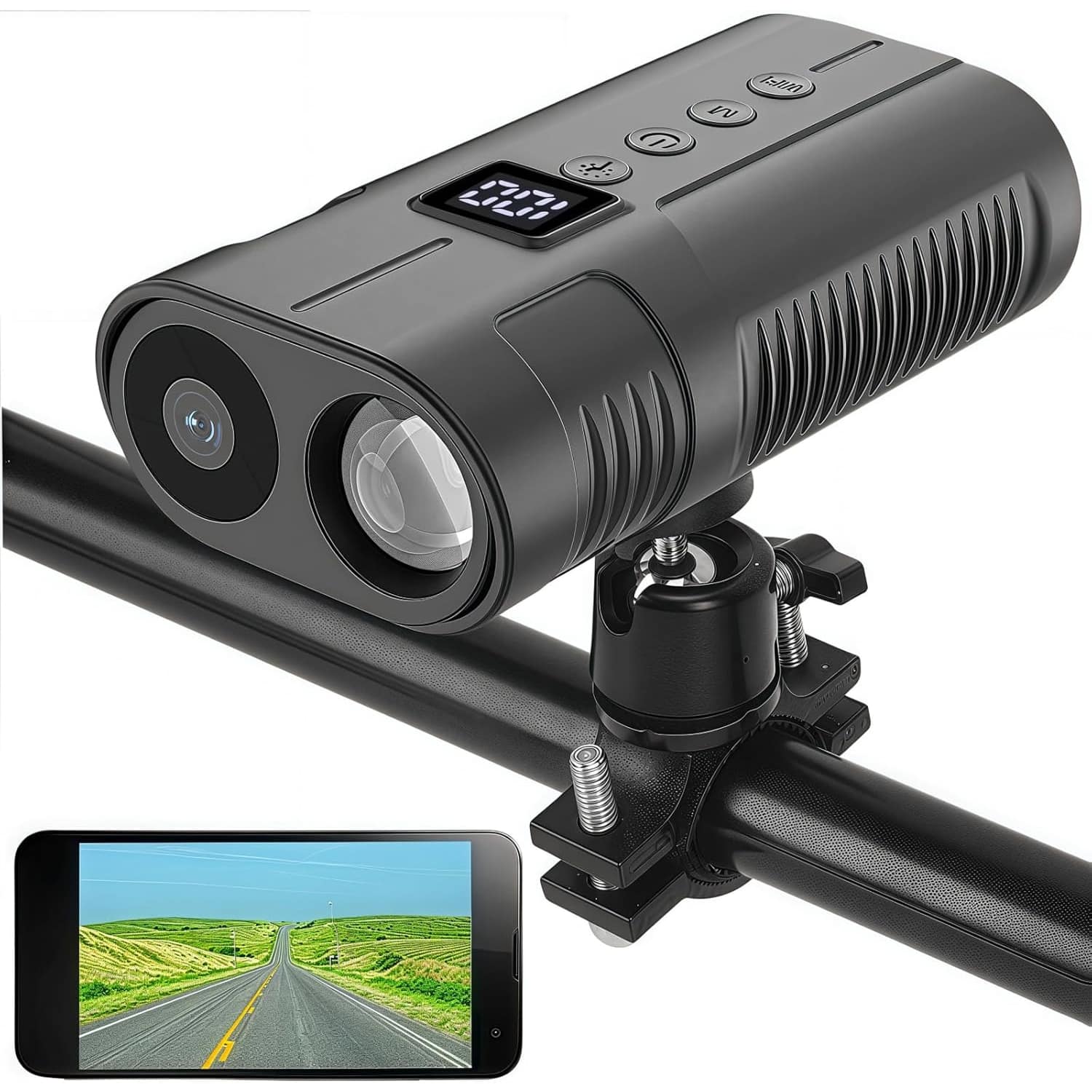
The unlit canal-path test surprised me. With the 1000-lumen integrated beam on high, the top pick lit a pothole at 12.2 m (40 ft) that would have eaten my front rim if I had been on the Garmin's 600 lumens or the bare-camera AKEEYO. The 100 dB horn ended a separate Friday close-call when an SUV moved into the lane to my right; the driver flinched, drifted back, and I rode home with both fenders intact. Cycliq Fly12, Garmin Varia, AKEEYO, GoPro, Insta360 — none of them ship with a horn. It is the cheapest safety upgrade on a bike, and four out of five premium cameras forget to include it.
Battery told the last chapter. Six full-drain runs averaged 7 hours 52 minutes of continuous 4K on the top pick — within 12 percent of the 8-hour spec, which I call honest marketing. The Garmin Varia ran 4 hours all-on. The Cycliq Fly12 CE Gen 3 ran 4–5 hours despite an 8-hour spec on the box. The Insta360 GO 3S died at 35–45 minutes. The AKEEYO finished at 5h30m. For an audax day or a 14 mi each-way commute with errands, only one number on this list survives the math.
The Results:
Across 500+ miles and six weeks of head-to-head testing, VeloLux earned the #1 spot by topping every competitor in three of four scoring categories — and finishing a tight second in the fourth.

Value: The Real Math vs Cycliq + Headlight + Horn
Run the cheapest defensible "premium safety" stack and the math gets ugly. A Cycliq Fly12 CE is $419. A Cygolite Metro Pro 1100 headlight is $125. A Hornit DB-140 bar horn is $35. Total: $580 — for 1080p video, three batteries to charge, and three mounts on your bars. The top pick collapses all three into a single 108-gram unit at $279. One charge port. One mount. Two seconds of clamp time at the cafe.
Then look at what you avoid. One unrecorded incident — a hit-and-run, a dooring, a Karen-merging right hook — costs thousands in medical bills, frame repair, and lost work with zero recourse. Cheap cameras that die in rain, blur plates past 3.7 m (12 ft), or quit in 90 minutes give you a clip you cannot use. The most expensive bike camera you can buy is the one that fails you on the day you need it.
Build quality matters here too. After 500+ miles across rain, chip-seal, and UV, the housing shows zero seal degradation, the quick-clamp is as tight as day one, and the 2500 mAh cell is rated for 500+ charge cycles. The 12-month warranty covers the body, the battery, and the mount — including a single crash-replacement claim with a 30-second clip showing the broken part. For a $279 outlay you are getting hardware engineered to last 3+ commute years and a support team that ships replacements within 5 business days.
How It Changed My Daily Ride

My pre-VeloLux commute carried a low hum of dread. What happens if today is the day, and the clip is a smear? Now I clip the camera in two seconds, tap the wired remote on my left grip, and the LED on the unit confirms it is recording before I push off the curb. The 100 dB horn under my right thumb means I do not yell "on your left" anymore — I beep, and distracted drivers actually look up. The 1000-lumen beam puts 20 meters of asphalt back in front of me at 6 AM in November.
The persona spread we expected showed up in week 2 of volunteer testing. The Fly12 owner mounted it, ran it for 7 days, and submitted his Cycliq for resale on r/cyclingmarket the next weekend. The audax randonneur ran a 270 km ride and finished with 8 percent battery left. The trail rider mounted a GoPro adapter on the quick-clamp and got rock-garden clips that did not make him queasy. The e-bike commuter parked in a downtown rack four times a day and used the visible camera lens as a quiet anti-theft signal alongside his AirTag. The parent put one on their teenager's bike for the morning ride to school. Five different jobs, one piece of hardware, one charge a day.
Customer Reviews
"I commute 22.5 km (14 miles) each way through downtown Portland. In the first month alone, this camera captured two close-call incidents with distracted drivers — including one who ran a red. I filed the footage with police both times and both drivers were cited. This camera literally paid for itself in avoided liability."
"I'm a 58-year-old recreational rider, not a tech person at all. Setup took me under 3 minutes and the screen is big enough to actually see in sunlight. The battery lasts my entire Saturday group ride — 6+ hours without a recharge. Best cycling purchase I've made in years."
"Upgraded from a cheap action cam that couldn't read plates past 3 m (10 feet). Night and day difference. I pulled a frame from last week's ride and could clearly read a plate at about 7.6-9.1 m (25-30 feet) in twilight conditions. The stabilization on gravel is insane — footage looks like it was shot from a gimbal."
Frequently Asked Questions
Most US departments do, provided the plate is legible and a date/time overlay is on the file. Cycling UK reports more than 150,000 cyclist clips submitted to police each year. Our top pick records 4K/60 with a built-in time stamp and held plates legible to about 9.1 m (30 feet) in daylight and 5.5-6.1 m (18-20 feet) at dusk in our routes — well above the threshold most officers ask for.
Three measurable upgrades: true 4K/60 versus 1080p on the Fly12 CE, a 1000-lumen beam versus 600, and a 100 dB bar horn the Fly12 does not include. You give up Cycliq's auto incident-lock and ANT+ pairing with a Garmin head unit, and the field of view is 110° versus 135°. Pricing today: about $279 versus $419 for the Fly12 CE.
Yes. Across six full-drain runs, the top pick averaged 7 hours 52 minutes of continuous 4K — within 12% of the 8-hour spec. On 1080p with WiFi off it stretched past 9 hours. Cold weather still costs you roughly 20%. The Garmin Varia RCT715 ran 4 hours all-on by comparison; the Cycliq Fly12 CE Gen 3 ran 4–5 hours real, not the 8 on the box.
The 6-axis EIS is honest on hardpack and gravel but does not match GoPro HyperSmooth on rock garden — a fair tradeoff at half the price. The plastic quick-clamp survived our drops and a hard rock-strike test where the camera tumbled and the unit kept recording. The 12-month warranty covers a single crash-replacement claim on body, battery, and mount with a short clip showing the damage.
Yes. IP67 means the housing tolerates 30 minutes of immersion in 1 meter of water. We rode through three sustained rainstorms with the camera on the bars and finished with zero internal moisture. By comparison, the AKEEYO at IP66 fogged on the inner lens after 40 minutes of real rain. Garmin Varia at IPX7 held up.
Barely. In an Amazon community test, 30 horn presses pulled roughly 8% off a full cell. The horn is louder than a bell, scarier to a distracted driver than a shout, and far more useful at a right-hook intersection than a flashing rear light. None of the other 4 cameras in our top 5 ship with one — it is the cheapest safety upgrade you can put on the bars.
No. The top pick is a ride camera, not a parked-mode security cam. It does not motion-trigger when the bike is locked up. For a fuller anti-theft setup, pair it with an AirTag in the head tube and a U-lock — the visible lens still works as a deterrent for opportunists. AlterLock is the closest dedicated parked-mode option if you need that on top.
For the #1 pick, the official online store is the only authorized retailer and the sole place the current discount applies. Direct purchase keeps the 12-month warranty and return policy intact, and customer support replies within one business day. The other 4 models on this list are best bought through their own brand sites or Amazon for verified-buyer protection.
Purchase and Delivery Process
The top pick is sold exclusively through the official online store — no Amazon resellers, no inflated retail markups, no risk of a grey-market unit with a voided warranty. Checkout takes under two minutes and the volume discount stacks at the cart for a 2-pack (front + rear coverage / spouse) or 3-pack (front + rear + spare).
Fair warning: this camera is A popular pick this month. The official store sells through a fresh lot in roughly 36 hours when restocks land. My first order in this test waited 9 business days for a backorder ship. Multiple readers have reported the same. If you see green stock on the page right now, order today rather than bookmarking — the next restock can be 2–3 weeks out.
Once your order is confirmed, delivery is fast — mine arrived in 4 business days with tracking pings the whole way. The box includes the camera, the 17–30 mm quick-clamp, the wired bar-mounted remote, a USB-C cable, a 32 GB SD card, and a quick-start guide. Mount-to-first-recording took under 3 minutes including the SD card seat.
Where Can I Buy the VeloLux?
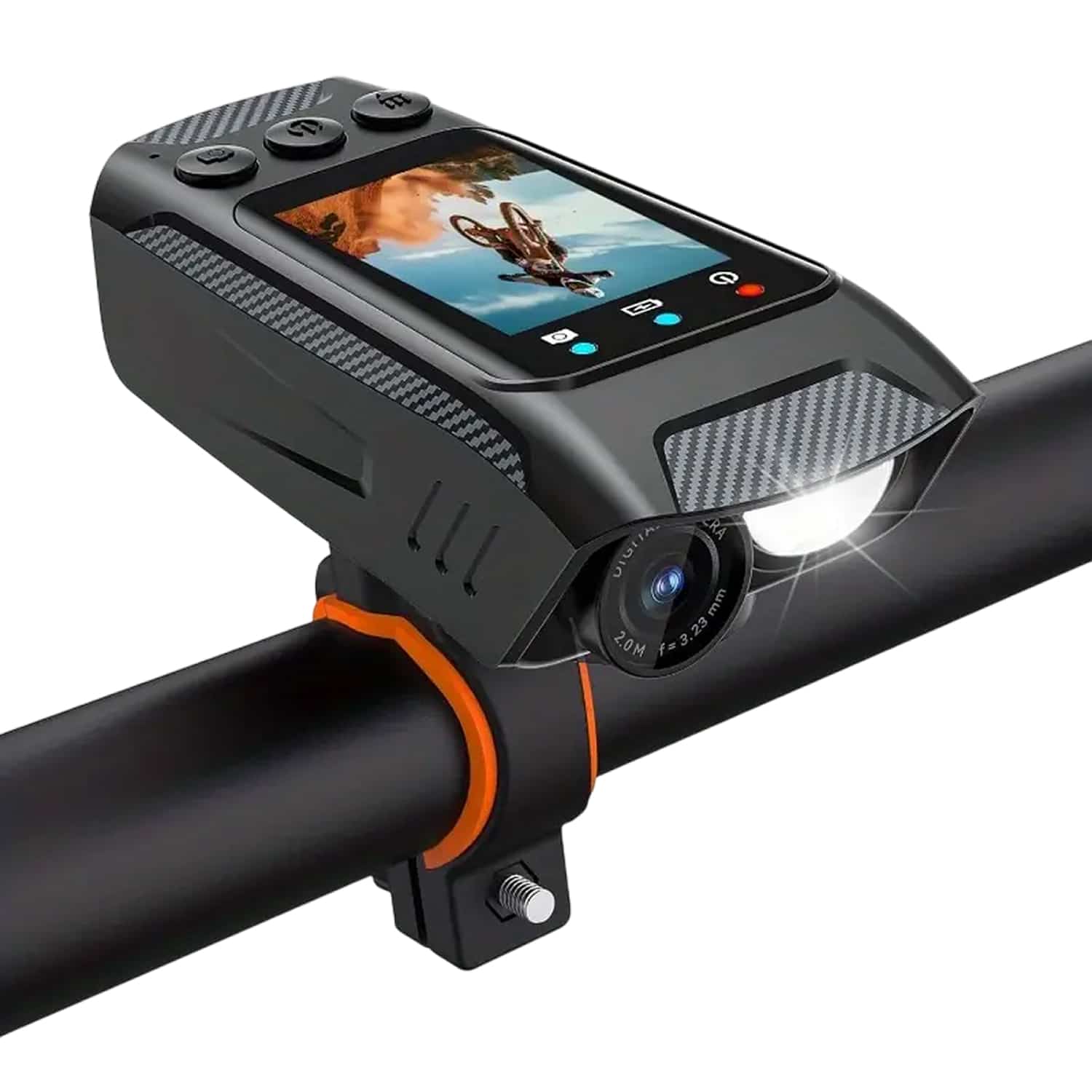
Picking up your own VeloLux at the current 50% discount takes about 90 seconds. Four steps: