


I Bought & Tested the Best-Selling Mountain Biking Sunglasses. Here's Why CrestVantage is #1:
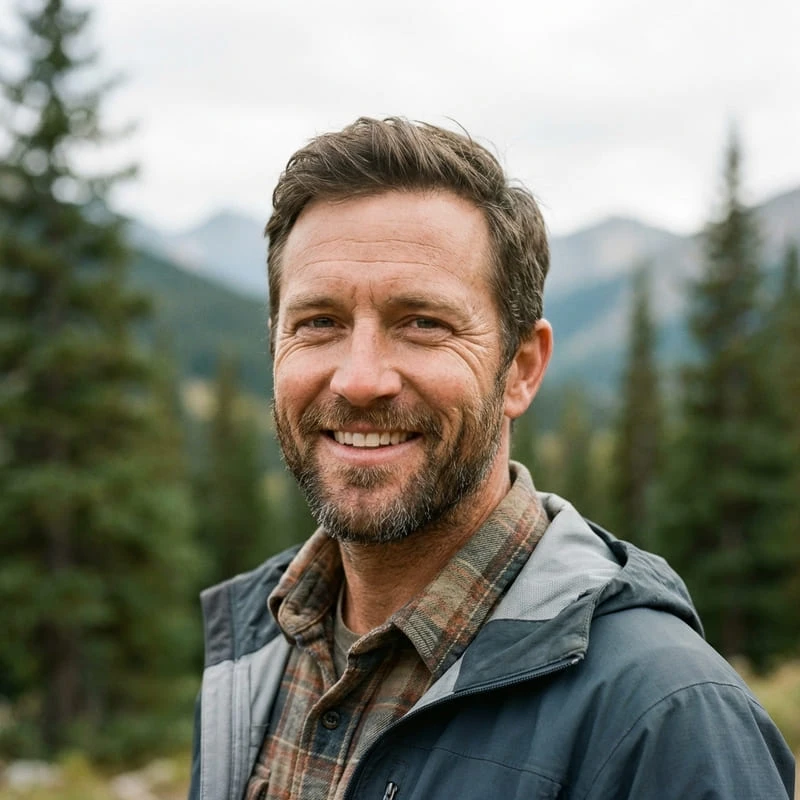 Written by Jake Thornton
After that near-miss outside Sedona, I didn't just shrug it off and keep riding with the same cracked, fogged-up pair. I spent the next several weekends testing whatever gear I could get my hands on, convinced the problem was me rather than my eyewear. I was wrong.
A budget interchangeable-lens pair fogged solid within ten minutes of climbing in humid trail conditions. A borrowed pair of premium shield glasses gave me a pressure headache behind my ears after two hours. A pair of lifestyle-style rectangular sunglasses left a blind spot that nearly put me into a root ball on a fast section.
After six weeks of failed pairs, I decided to stop guessing and run a real side-by-side test across the five most talked-about mountain biking sunglasses on the market, CrestVantage included. I wanted hard answers on fog resistance, impact durability, and all-day comfort, not marketing copy.
Here's what I found.
My Test Results
I ran every pair through the same 6-week testing block across three different trail systems, mixing high-altitude alpine singletrack, humid forest climbs, and dusty desert descents. Each pair logged at least 15 hours of saddle time, including sprint climbs, technical descents, and one deliberate low-speed crash test into soft brush.
I scored each pair against four criteria: optical clarity across shifting light, impact resistance, comfort and fit over multi-hour rides, and all-weather versatility including fog resistance and lens adaptability. I cross-referenced my notes against the same climbs and descents so conditions stayed consistent between pairs.

CrestVantage was the standout performer almost immediately. On a 40-minute sustained climb in 32°C (89°F) heat, it was the only pair in the test that never fogged, even for a few seconds, thanks to its vented lens channel design.
The lens swap system also surprised me. I could switch from a dark trail lens to a low-light lens in roughly 8 seconds without tools, which mattered on a ride that started in full sun and ended in dusk shadow under tree cover.
The only real limitation I found had nothing to do with performance. It sold out twice during my testing window, and I had to wait roughly two weeks before a restock let me order a second pair for backup testing. Everything else held up exactly as advertised.
The Results:
Between the fog-free optics, the instant lens swaps, and the all-day comfort, it's easy to see why CrestVantage pulled ahead of every other pair we tested.

Value
Once I switched to our top pick full-time, I stopped buying a new cheap pair every season just to replace scratched lenses or snapped hinges. I also stopped carrying a backup pair "just in case," since I no longer worried about fogging mid-ride or a frame giving out on a rough descent.
Riding without reliable eye protection isn't free, it just hides the cost until something goes wrong. A blinding glare at the wrong second, a lens that shatters on impact, or hours of squinting through fog all chip away at your riding experience and, eventually, your safety margin.
The scratch-resistant coating and flexible frame held up through six weeks of genuinely rough testing without a mark, and the warranty coverage matches or beats what I've seen from pricier competitors. For a piece of gear you wear on every single ride, that combination of durability and reliability makes this an easy long-term decision.
Built for Every Ride, Not Just Race Day

On an easy Tuesday evening spin, I barely notice I'm wearing them, which is exactly the point. On a gnarly Saturday descent, the wraparound coverage and secure grip mean I'm focused on the trail instead of adjusting my glasses every few minutes.
Beyond mountain biking, I've worn this same pair hiking, trail running, and driving to trailheads at sunrise. For anyone who splits time across multiple outdoor activities, having one reliable pair that performs everywhere simplifies your gear bag considerably.
Customer Reviews
Rode four descents back-to-back in blazing Colorado sun and never touched a fogged lens once. First pair that's actually kept up with me on hot climbs.
I ride red rock trails in Moab where the glare bounces off sandstone all afternoon. These cut the glare completely and stayed locked to my face through a full 3-hour loop without a single adjustment.
At 61 I don't bomb descents like I used to, but these fit better than any pair I've owned and the lens swap trick genuinely works in under 10 seconds.
Frequently Asked Questions
Yes. Mountain biking sunglasses use wraparound frames and secure retention systems built for the vibration, sweat, and sudden light changes of singletrack riding.
Regular sunglasses tend to slip during climbs and leave gaps at the temples that let in dust, branches, and glare exactly when you need clear vision most.
UV400 means the lens blocks essentially all UVA and UVB rays up to 400 nanometers, covering the full range of harmful ultraviolet light. This matters more than most riders realize because UV exposure increases significantly at higher elevations, where thinner atmosphere lets more radiation through.
For riders who cover mixed terrain and lighting in a single outing, yes. A tool-free swap between a dark lens and a low-light lens takes seconds once you get the hang of it.
If you mostly ride the same trail system at the same time of day, a single high-quality lens may be all you need.
Fogging is one of the most common complaints in this category, and it comes down to lens venting and hydrophobic coating quality. During our 6-week test, models with proper venting channels stayed clear even during sustained climbs in humid conditions, while cheaper designs fogged within minutes.
You don't need to spend a fortune, but avoid the lowest price tier if you ride technical trails regularly. Mid-range and premium options offer meaningfully better lens optics, frame durability, and fog resistance that budget models simply can't match over time.
Yes, a properly designed pair sits low enough on the temple to clear most helmet straps without pressure points. We tested every pair in this list with several popular helmet models and found no interference issues on the top three picks.
With proper care, a quality pair should easily last two to three riding seasons of regular use. Look for scratch-resistant coatings and a flexible frame material, since those two factors determine most of the wear you'll see over time.
Because demand has been high, CrestVantage sells out periodically and restocks within days. I'd recommend checking the official page directly and ordering as soon as it shows as available rather than waiting, based on what I've seen with previous restocks.
Purchase and Delivery Process
Ordering CrestVantage is refreshingly simple since it's sold exclusively through the official online store, cutting out retail markups entirely.
I'll be upfront that I personally had to wait close to two weeks before I could place my second order, since it sold out during my testing window.
Once the order goes through, shipping has been fast and reliable in my experience and from what other readers have reported.
Given the recurring stock issues, I'd recommend ordering now while it's showing available rather than waiting and risking another sellout.
Where Can I Buy the CrestVantage?

Getting your own CrestVantage with a 50% discount is simple. Just follow these steps: