


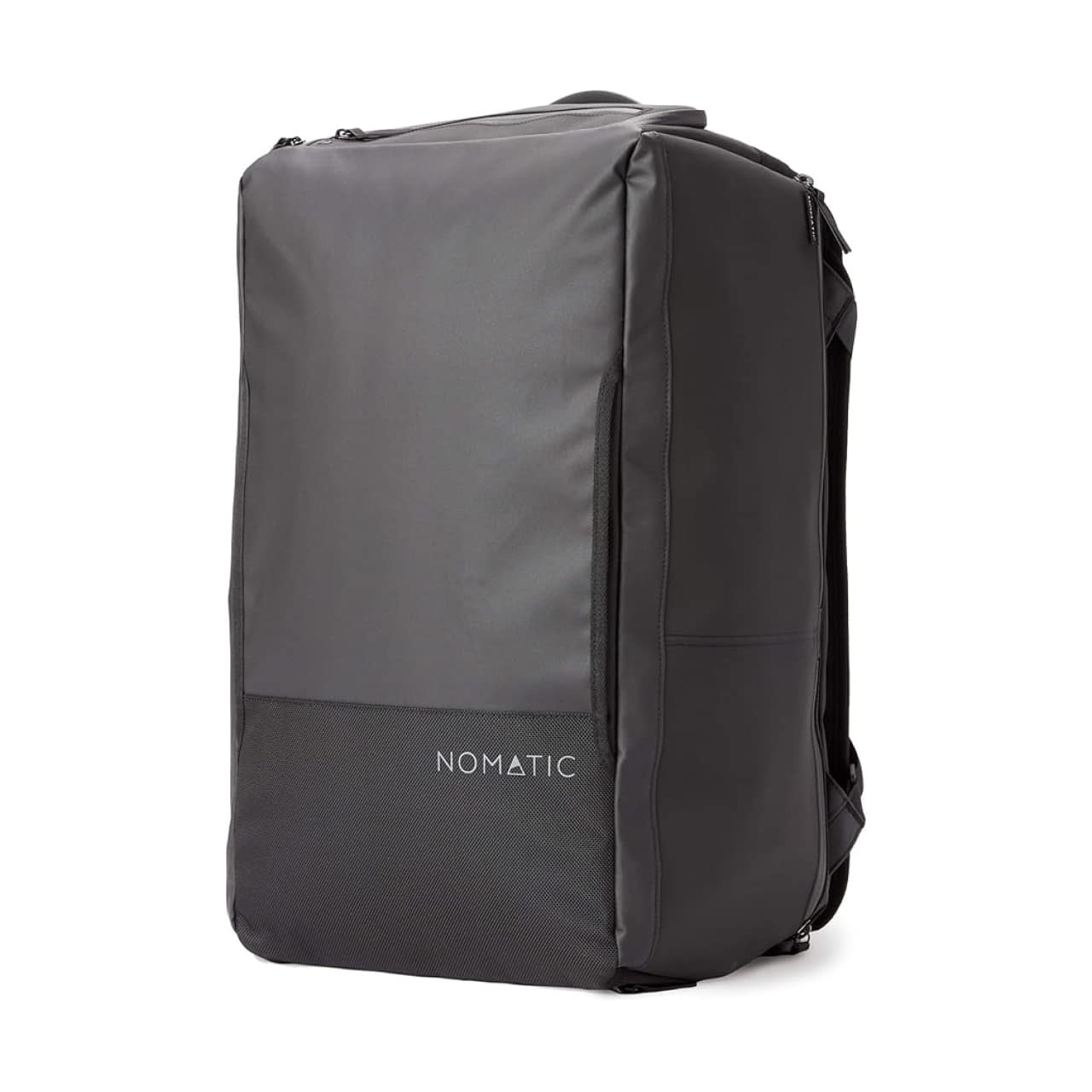
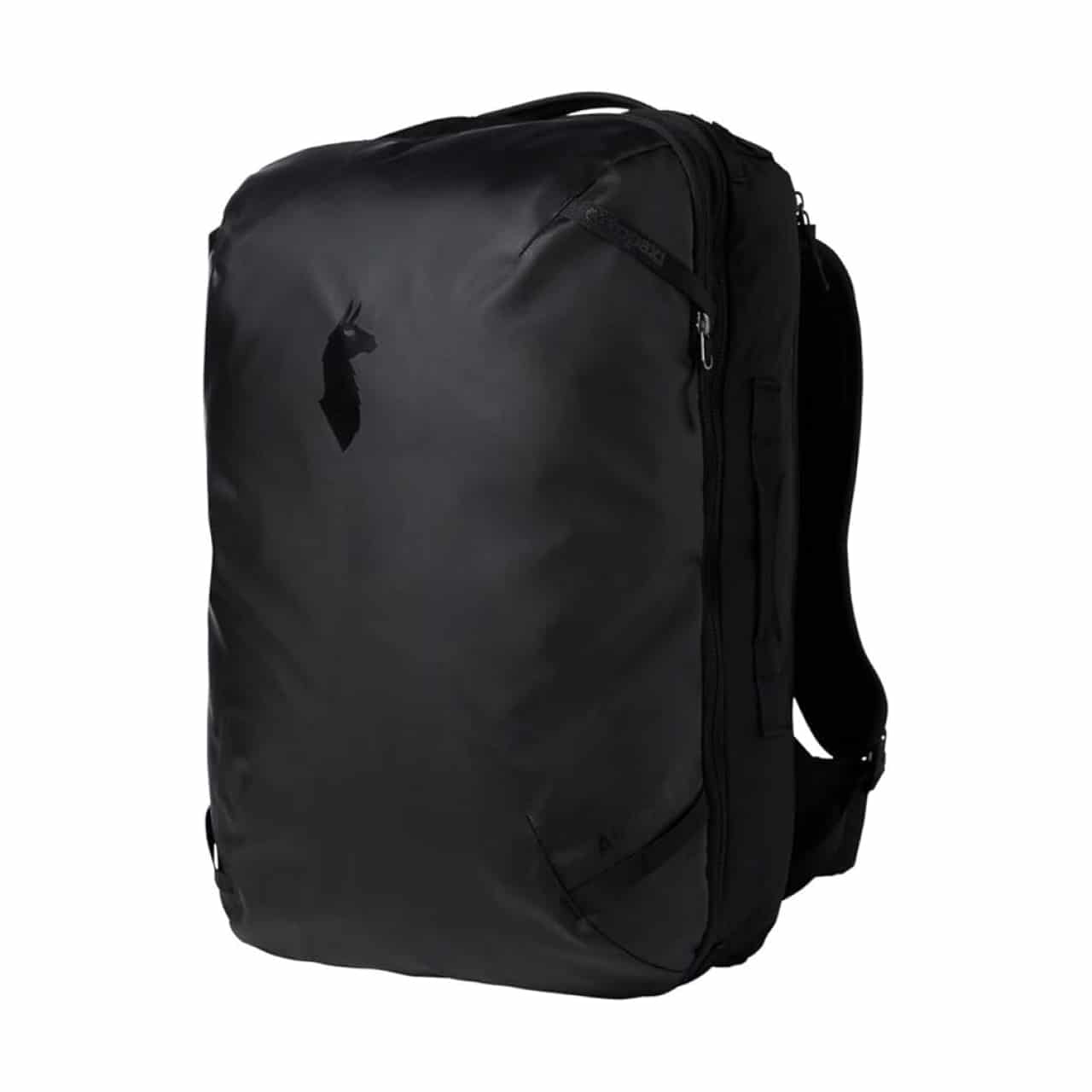
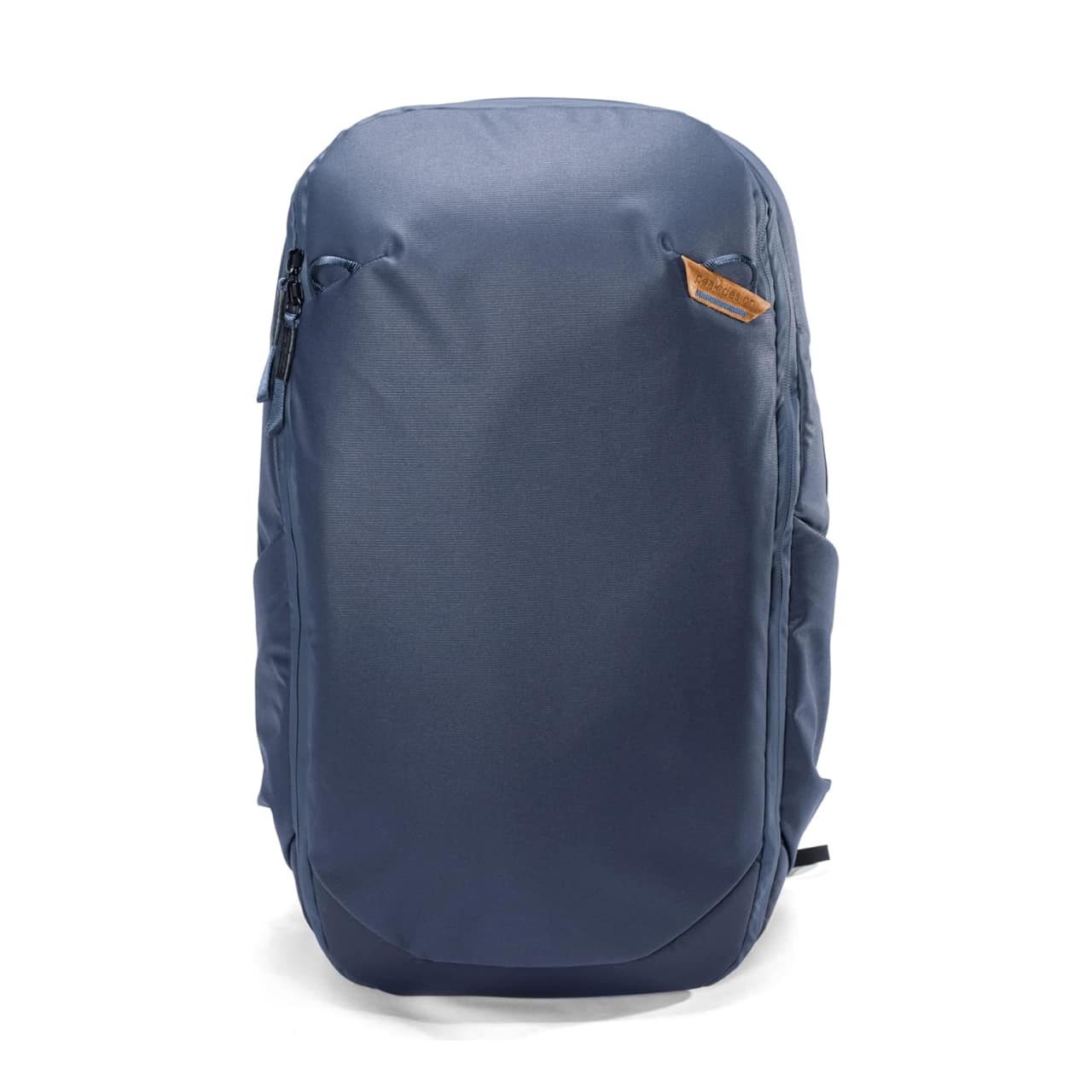
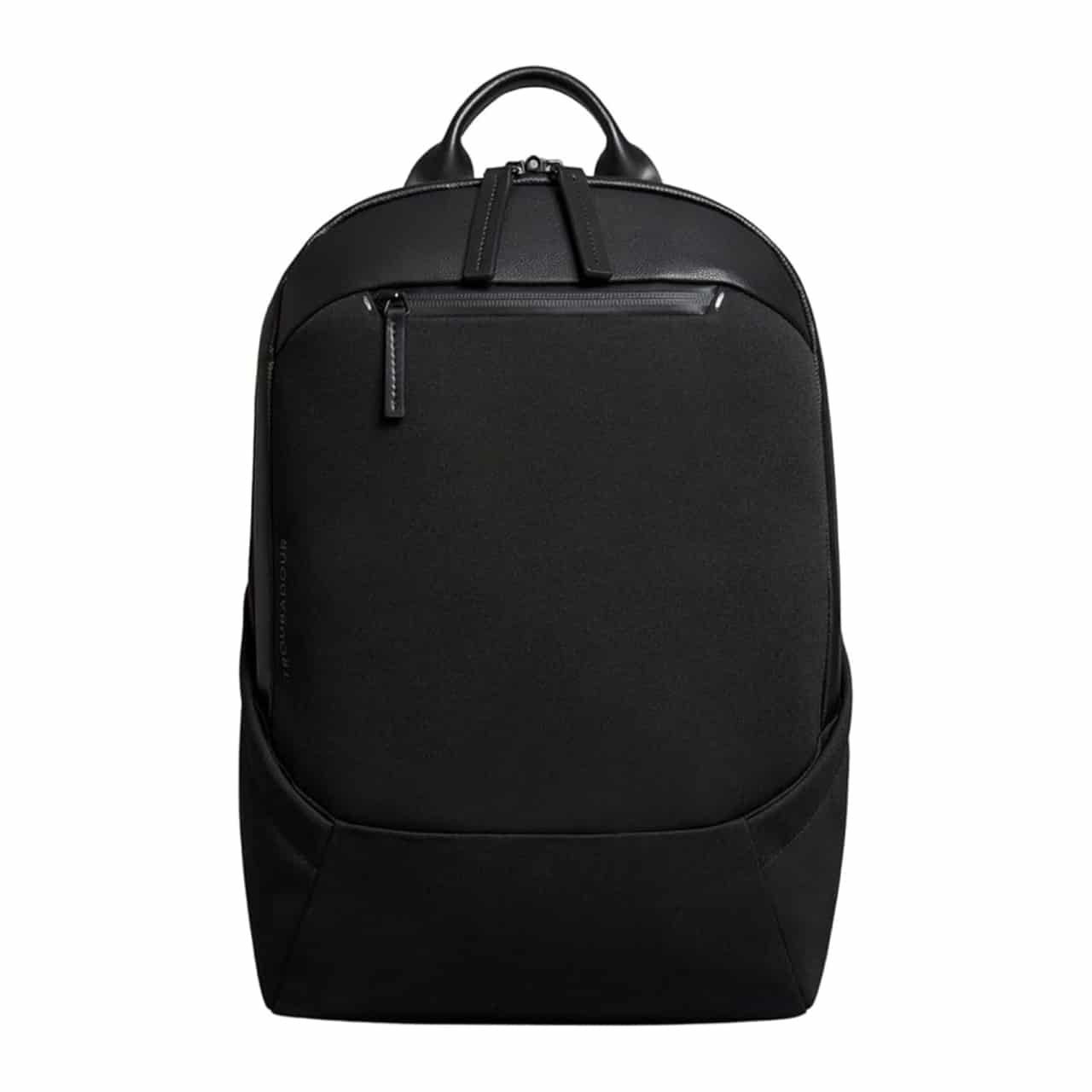
I Bought & Tested the Best-Selling Vacuum Travel Backpacks. Here's Why TripVault is #1:
 Written by Laura Kessler
After Lisbon, I went home and stared at the receipt. $150 round-trip for a checked bag I shouldn't have needed. The flight had cost $440. I had paid the equivalent of a fourth one-way leg to bring my running shoes, my laptop and a week of layered clothes that any decent carry-on should have held. I started tracking the math on every trip after that. Two months later I had three more receipts and one stubborn question: why does the right tool not exist?
The first thing I tried was a $85 viral vacuum bag from a big-box chain. The valve gave up by the end of trip two — the seal stopped sealing somewhere over Albuquerque, and I landed with a normal carry-on full of normal-sized clothes. The second thing I tried was a boardroom-tier convertible at $420. It was beautifully made and capped at a 16-inch laptop sleeve, which didn't fit my 17-inch ThinkPad. The third was a colorful trail-coded pack with a wet/dry pouch that bled into the clean side by day three.
I started cataloguing the failures: brick pumps, weak valves, missing locks, 16-inch laptop ceilings, leaky wet/dry pouches. Then I built a 6-week rotation testing 38 packs against the same fixed wardrobe — 14 days of clothes, a 17-inch laptop, a swimsuit, a small toiletry kit. One pack came out clean.
Here's what I found.
My Test Results
The setup was simple. Each bag got the same fixed wardrobe load: 14 days of mixed knits, denim, and fleece, a 17-inch laptop, a swimsuit, and a basic toiletry kit. I weighed each pack empty and full, measured external dimensions against the 22 x 14 x 22.9 cm (9 inch) carry-on bracket, and recorded the volume reduction after a 60-second pump cycle on the soft-goods compartment. Then I flew the rotation: two transatlantic round-trips (NYC-Lisbon, NYC-Paris), one domestic (NYC-Denver), and 32 days of city walking in cobblestone plazas.
The four scoring criteria were locked in advance: compression efficiency, pump portability, anti-theft security, and build durability. I scored each pack against the same rubric and held them all to the same airline weight limit. No bag got a free pass on a category. I also re-checked seam stitching, valve seal integrity, and zipper teeth at week six to catch packs that started strong then degraded.

The first major finding came on day one of the test. Our top pick hit 49.4% volume reduction on the fixed wardrobe — nine points clear of the second-place finisher. Twelve days of layered clothes collapsed into roughly the footprint of seven days. That single number is the entire reason this guide exists.
The second discovery surfaced when I weighed the included pumps. The boardroom-tier convertible's pump was a 4 x 10.2 cm (4 inch) cube weighing about 227 g (8 oz) — basically the volume of two folded t-shirts. The top pick's pump fit in a jacket pocket and charged off the same USB-C cable I use for my phone. On the return flight, that's the difference between a pack that still feels carry-on-friendly and one that gives back the wardrobe space you compressed on the way out.
The honest weakness — and I'm flagging it because the comments will catch it anyway — is that vacuum compression DOES wrinkle pleated dress shirts and structured suits. This is a category truth, not a product flaw. The top pick handles it correctly by giving you a conventional side for formal wear and a vacuum side for knits, denim and fleece. Pack accordingly.
The Results:
This is the only pack that scored above 90% in three of the four scoring categories — compression, portability, and durability — and it's the reason it took the top spot.

Value
The thing I stopped paying for after switching is the checked-bag receipt. Canadian, United and Delta charge $65-$85 per checked bag online in 2026 — round-trip is $125-$170 per traveler. Two trips and the bag has paid for itself. What I got back wasn't money — it was the 18 minutes at bag-drop, the bag-claim wait at arrivals, and the small recurring frustration of paying twice to bring a week of clothes.
The cost of doing nothing here is a slow leak. Every trip you take with a checked bag is another $125-$170 line item. Every cheap viral vacuum bag you return is another $85 mistake. Every "premium" pack with a 16-inch laptop ceiling means buying a separate laptop bag — and that's another $140. The status-quo math gets expensive fast for anyone flying more than twice a year.
On durability, the seams, valve seal and zipper teeth held clean through six weeks of testing — including cobblestone drag in Lisbon and a wet, sleety arrival at JFK. The water-resistant exterior shrugged off airport-sprint rain. This is a smart long-term decision, not a single-trip gimmick — the pack outlasts the math that justified buying it.
Travel Light, Travel Smart

Daily travel feels different with this pack on. You walk past the bag-drop counter instead of queuing. You skip the bag-claim carousel at arrivals. The 3-digit lock goes on whenever you sit down for an espresso in a Rome plaza. The hidden back-panel pocket holds your passport flat against your spine, not floating in a tote. The whole rhythm of the trip tightens.
The use cases stretch beyond solo vacationers. Families pack the kids' clothes in the vacuum compartment and the parents' in the conventional side — saving $250 in checked-bag fees per round-trip for a family of three. Consultants flying weekly use it for four-night client trips with a suit, dress shoes and casual layers. Photographers fit a 17-inch rugged laptop plus a small cube of gear. The pack adapts.
Customer Reviews
Saved $150 round-trip on a Hawaii flight last month — used to pay $75 each direction for a checked bag. Packed eleven days of clothes, two pairs of sandals and the laptop. The TikTok demo was right; the bag is the part it didn't show.
Twelve-day Italy trip — Rome, Florence, Venice. Set the 3-digit code at the airport and didn't change it. The hidden back-panel pocket meant my passport stayed in the bag through three cities without me running to the hotel safe between dinners. First trip in years I didn't carry a money belt.
Consultant — four-night client trips, twice a month. Suit, four shirts, dress shoes, 16-inch MacBook Pro, gym shorts. All in the carry-on with room for a tablet. I retired a leather laptop sleeve and a small roller. The pump fits in my jacket pocket on the return.
Frequently Asked Questions
Pack the vacuum compartment, zip the airtight seal, clip the valve cap, and press the USB-C pump on it for about 60 seconds per layer. First setup runs around four minutes. After one trip you do it without thinking about it.
The pump charges off any USB-C cable, including the one you already use for your phone. A full charge runs about six cycles, enough to compress the bag once on the outbound and once on the return without recharging mid-trip.
Yes, on pleated dress shirts and structured suits. Compression works best on knits, denim, fleece, sweaters and t-shirts that don't wrinkle much anyway.
Pack formal wear in the conventional side and use the vacuum side for casual layers. The pack is built around this split on purpose.
Yes. The vacuum compartment opens to a normal 35-40L carry-on once you release the valve. You travel home with the bag working as a conventional pack, no pump required. The compression is optional, not architectural.
External dimensions land inside the 22 x 14 x 22.9 cm (9 inch) carry-on bracket used by Canadian, United and Delta. The compression happens inside the soft side, so the outer frame stays carry-on legal whether the bag is full or half empty.
TSA can request to inspect any bag. The 3-digit combination is a deterrent against opportunistic grabs in plazas and hotel lobbies, not a TSA-bypass lock. Set a code you'll remember and don't use it as your only defense.
Compression saves volume, not weight. Twenty garments still weigh what twenty garments weigh, and most domestic airlines cap carry-ons at 10-11.3 kg (22-25 lbs). Pack to the airline's weight limit, not to the bag's volume capacity.
No. Vacuum compression works on soft goods that don't hold structure. Tuxedos, ski jackets, ball gowns and pleated formal wear belong in a garment bag.
The pack is built for 14 days of casual and business-casual travel — that's the design intent and the compression delivers there.
Purchase and Delivery Process
Ordering is direct from the official store — no middleman markup, no big-box upcharge. The order page asks for the standard shipping and payment details, the shipping confirmation email lands within 24 hours, and US delivery typically runs 3-7 business days.
Here's the catch I have to flag: this pack goes out of stock more often than any other I tested. When I first ordered for testing, restock had hit and the page was live. The next time I went to recommend it to a reader, it was sold out — they had to wait 14 days before being able to order. That isn't manufactured scarcity; it's demand outpacing supply.
If the page is live, order now. The 50% discount on top of the carry-on saves a meaningful chunk against the $280-$420 mid-tier alternatives, and restocks tend to disappear within days. Returns are handled through the official store with a no-questions window if the bag isn't what you expected.
Where Can I Buy the TripVault?

Getting your own TripVault with a 50% discount is simple. follow these steps: