


I Bought & Tested the Best-Selling Listening Device Detectors. Here's Why VerityScan is #1:
 Written by Benjamin Carter
The morning after that Lisbon Airbnb sweep failed me, I sat on the airport floor pulling a $35 detector apart on my lap, trying to figure out whether the device or the room had lied to me. The device, it turned out, had been screaming about a smart-TV the entire stay. The actual smoke detector above the bed I never checked properly. I flew home and refused to book another rental until I had something I trusted.
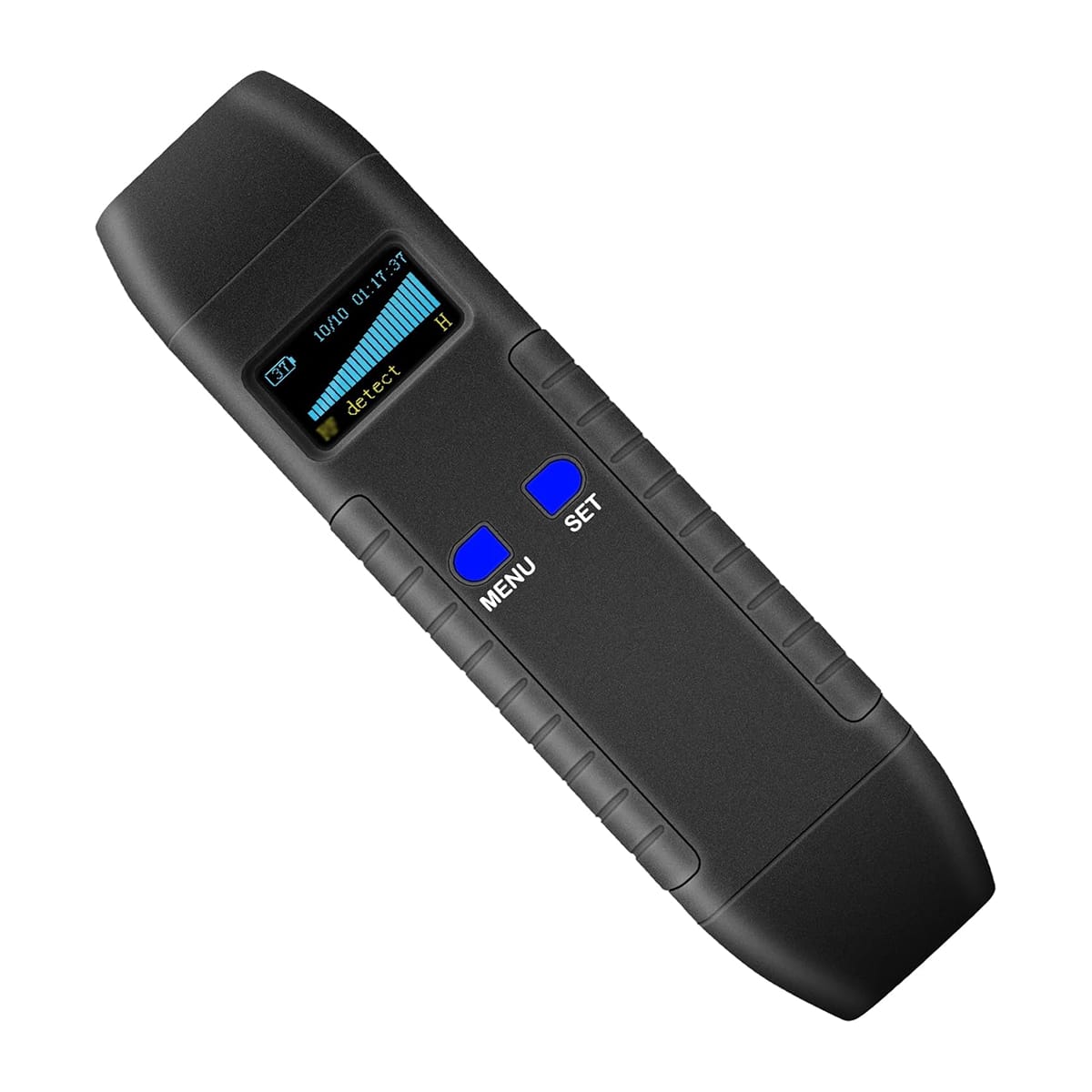
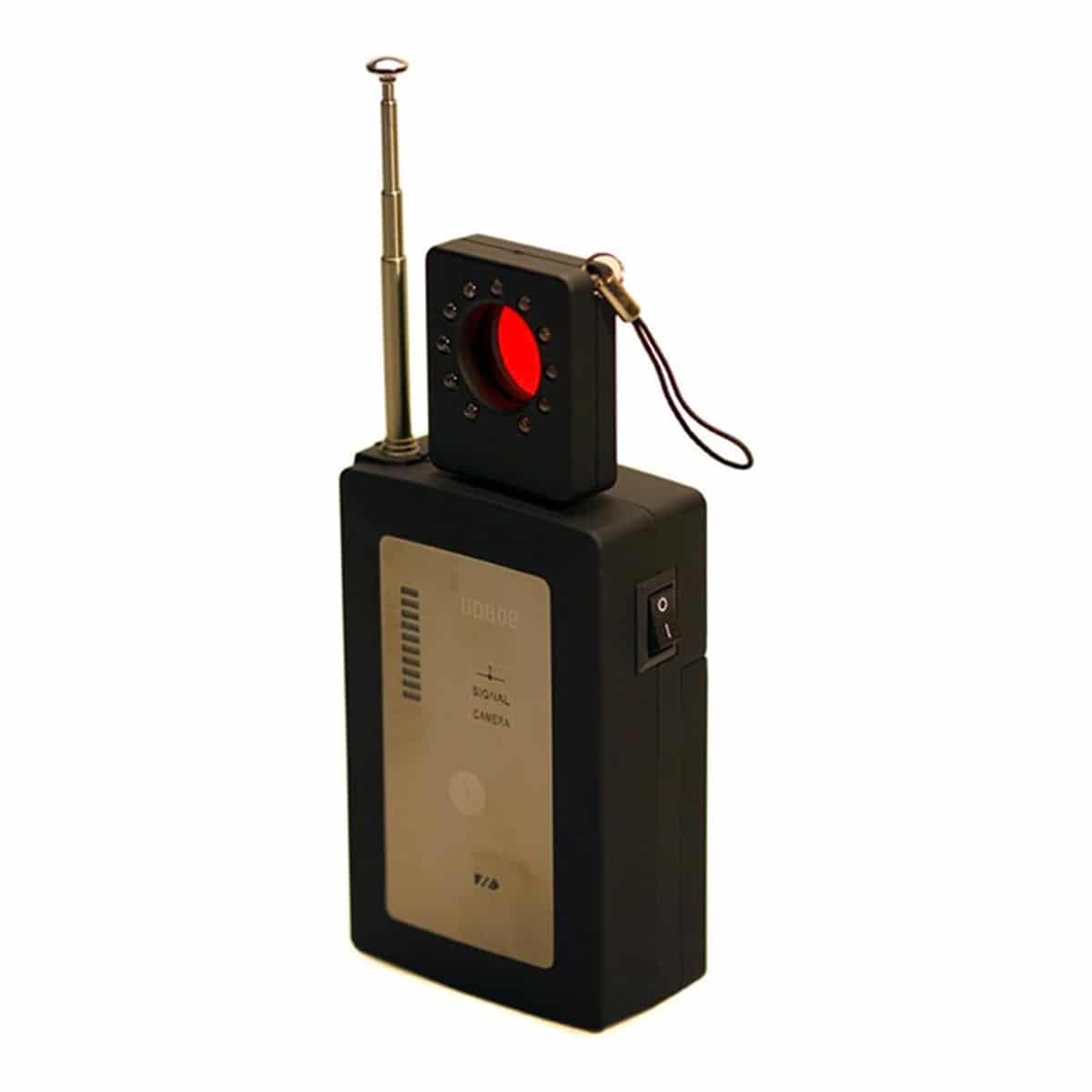
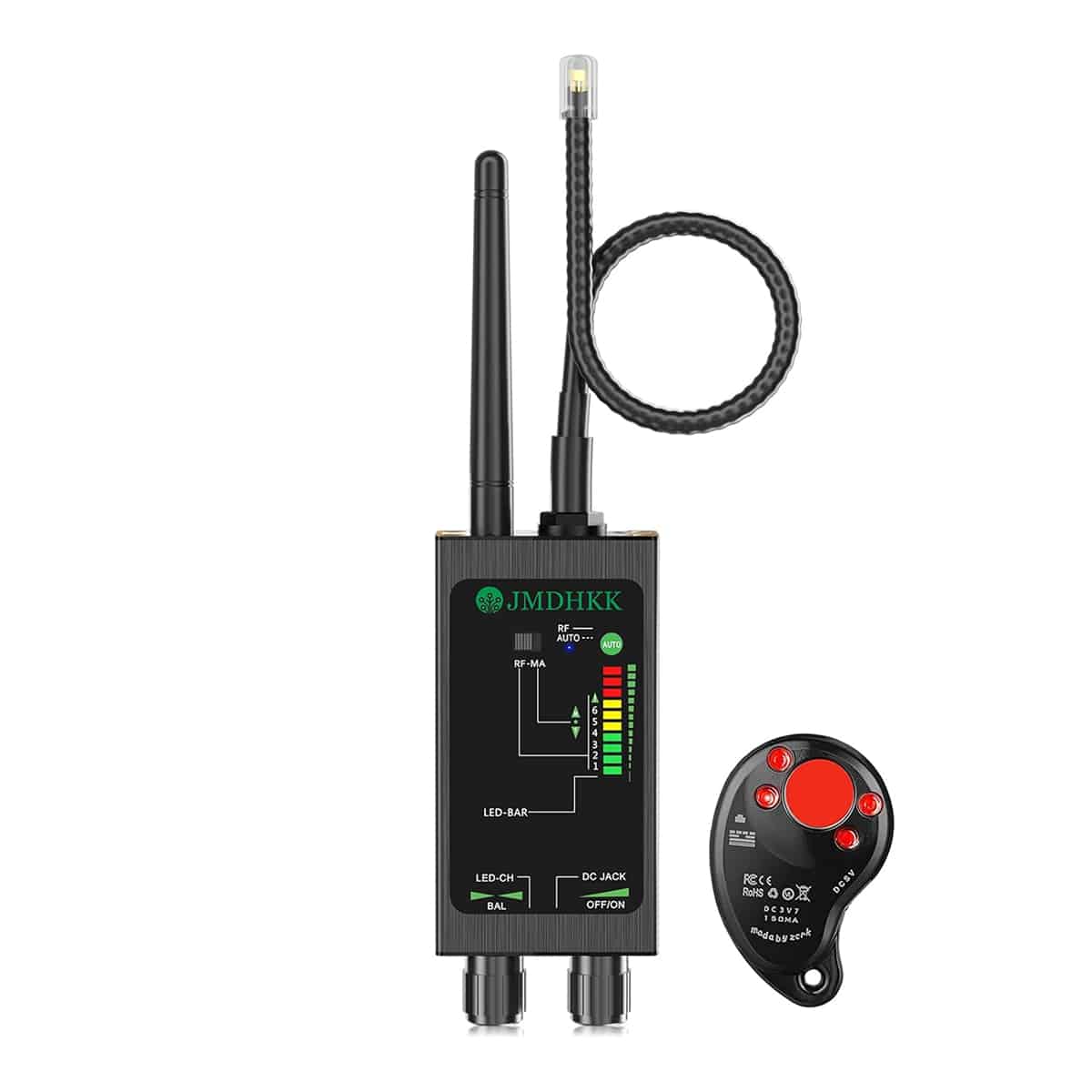
Three weeks of research came next. I tried a free phone app called Fing — clean UI, but it only sees devices on the network, so SD-card cameras and AirTag-style trackers were invisible to it. I tried a $60 RF-only unit from a Reddit thread; it screamed at every router I walked past. I priced a $490 law-enforcement-grade pro tool and felt embarrassed buying that for a Friday-to-Sunday weekend trip. None of these were the right shape for the actual problem.
That is when I committed to a structured 6-week test of the five best-reviewed mid-tier detectors I could buy — including one a privacy forum kept naming as the only spec-honest 3-in-1 in the category. I wanted to know which unit would actually let me unpack instead of side-eyeing the smoke detector all weekend.
Here's what I found.
My Test Results
I ran the 6-week test across three real environments: a mid-range Airbnb living room with a smart-TV, a smart-thermostat, and a router on the same wall; a boutique-hotel suite with a glass-walled bathroom and three USB chargers in the bedroom; and a rental-car interior parked overnight in three different cities. In each space I planted known threats — a transmitting pen camera, a powered-off SD-card pinhole, an IR-equipped smoke-detector replica, and a magnetic GPS dummy under the bumper — then swept blind.
Each unit was scored against the four criteria from our methodology grid: detection coverage, signal honesty, travel portability, and readout clarity. I tracked time-to-alert, false-positive count per room, weight, charging connector, standby battery between sessions, and whether the readout actually told me which mode triggered. Our team kept blind-test logs and reconciled them at the end of week six.

The first headline finding came on day three. The top pick cleared the Airbnb living room in under 3 minutes with two correctly labeled alerts (one RF spike near a USB charger, one IR reflection in the smoke-detector replica) — and zero alerts on the smart-TV, the router, or the thermostat. Three of the four other units fired five or more alerts in that same room, none of them labeled.
Secondary findings came in week four. The magnetic mode found the dummy GPS tracker under the bumper at 10.1 m (33 ft) of effective range; the unit then fit back into the glove box for the next leg of the trip. The 200 mAh battery survived 11 sweeps across two cities on a single 1-hour USB-C charge from a phone block — no proprietary brick required.
Honest weaknesses surfaced too. RF mode could not see a powered-down SD-card camera — but neither could any other RF-only unit on this list, and the IR lens-finder caught the lens itself within seconds. The unit also cannot find a camera buried inside drywall, which would require a $4,200+ thermal imager. Both limits are printed on the spec sheet — a refreshing change from "100% protection" claims that buyers know are theater.
The Results:
One sentence verdict: across hotel rooms, Airbnb living rooms, and rental-car interiors, this is the only detector that told me what the alert actually meant — read the full product page for the spec sheet I trusted.

Value
After six weeks of carrying our top pick on every trip, I stopped doing three expensive things. I stopped re-booking rentals on a hunch after the first weird vibe, I stopped buying $35 Amazon detectors hoping the next one would stop screaming at routers, and I stopped paying for short-stay hotels to feel safer than the Airbnb. The hours of stress reclaimed across a dozen trips have been the real return.
The cost of doing nothing is the part most travelers underprice. A real hidden camera incident in a rental — even one that ends with a refund — eats a weekend, kills the trip, and costs hundreds in re-booking and emotional recovery. Stacking $35 cheap detectors that do not work is the long way around to the same drawer, where they all end up muted because they cried wolf at the WiFi router.
Build quality has held across 6 weeks of glove-box, suitcase, and seatback abuse. The 200 mAh battery still hits the rated 30-day standby, the USB-C port is unbothered, the housing has no scratches that affect function. With a warranty that compares well against the industry standard for this tier, the unit reads like a smart long-term decision, not a hopeful one.
How VerityScan Fits Into a Travel Routine

The new ritual takes 3 minutes. Drop the bags, power on the unit, walk RF mode around the perimeter, switch to IR through the red filter window, sweep smoke detectors, vents, and USB chargers, then magnetic-sweep the obvious vehicle points. Then you actually unpack. No more side-eyeing the ceiling, no more sleeping with one eye open, no more wondering whether the smart-TV is doing more than streaming.
The 30 g body fits travelers, real-estate agents sweeping a listing before a showing, Airbnb hosts checking their own units between cleanings, and people post-divorce sweeping a car for AirTag-style trackers. The same tool — same labeled readout — covers all four of those use cases without becoming a different gadget for each.
Customer Reviews
I used to walk into Airbnbs and hope. Now I do a 3-minute sweep and actually unpack instead of side-eyeing the smoke detector all weekend. The LCD telling me which mode triggered changed everything for me — I caught an IR reflection in a Lisbon rental within 2 minutes of arriving.
I bought this specifically for sweeping hotel suites before client dinners. The mode-indicator readout is the feature I care about — when an alert fires I know whether it is a transmitter, a lens, or a tracker, and I can act accordingly without breaking the meeting flow.
I expected another false-positive machine that screams at every WiFi router. Surprised me on every level. The chip actually filters background noise and the magnetic mode found a tracker mounted under my rear bumper inside about 90 seconds — first product that did not make me feel paranoid for using it.
Frequently Asked Questions
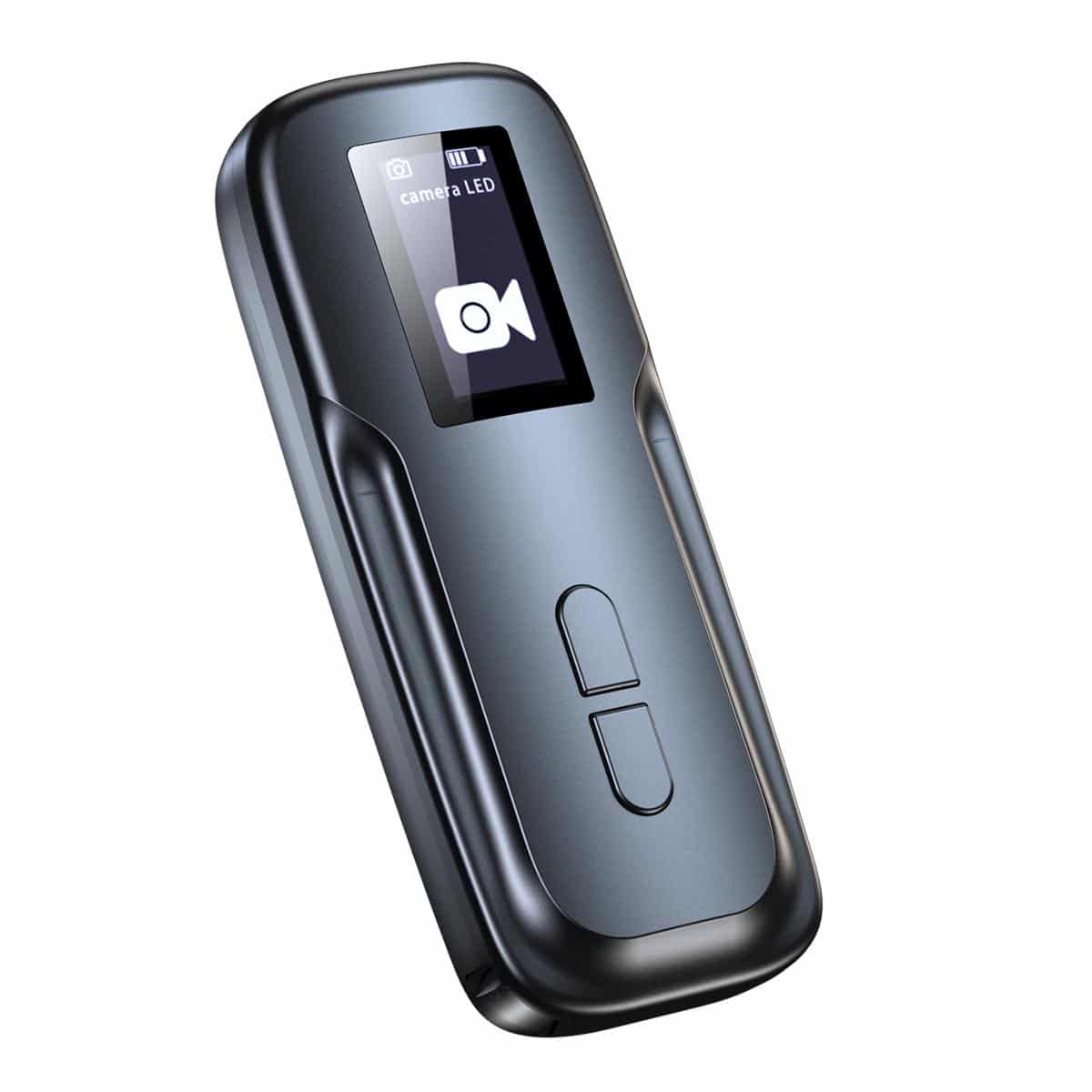
Power on, toggle modes, walk the room slowly. A first-time user clears a hotel room or Airbnb in 2 to 3 minutes. The HD LCD shows the active mode and a real-time bar graph, so there is no decoding step.
The quick-start guide is in real English, not machine translation.
Yes. The detector is fully self-contained — no app, no account, no WiFi pairing. It runs on its 200 mAh battery and processes signals on-device.
That matters in hotel rooms with throttled WiFi and rental cars with no signal at all.
The chip filters WiFi and Bluetooth chatter, then the LCD names which mode triggered. RF spike near a smoke detector is suspicious. IR red-dot in a USB charger is a lens. Magnetic spike under a bumper is a tracker. The label removes the guessing step.
Up to 10.1 m (33 ft) (10 m) for RF and magnetic modes — sized for the spaces you sweep: hotel rooms, Airbnb living rooms, rental-car interiors, conference suites.
IR lens-finder works at arm's length, where you would check smoke detectors, vents, and chargers.
About 30 days on standby and roughly 2 hours of continuous active scanning per full charge. A 1-hour top-up via USB-C from a phone block or laptop port restores it. For a typical 3-minute hotel sweep, one charge covers dozens of trips.
RF mode alone cannot find an SD-card camera or a powered-off pinhole — that is a physical limit of RF detection.
The IR lens-finder catches the lens even when the camera is not transmitting, and magnetic mode catches AirTag-style and GPS trackers.
No. A powered-down camera buried in drywall emits no RF, no field, and no lens reflection — only a thermal imager around $4,200 finds those.
We sweep the realistic threat: cameras hidden in fixtures, chargers, and vents — not buried in walls.
Both. Magnetic mode is built for sweeping the undercarriage, wheel wells, and interior trim of a rental or your own car for AirTag-style and GPS trackers.
RF mode catches any transmitting cabin device. The 30 g body fits in a glove box between trips.
Purchase and Delivery Process
Ordering happens on the official store page — no big-box markup, no Amazon listing roulette, no third-party reseller flipping the unit at twice the price. Stock comes directly from the manufacturer.
The honest warning: this 3-in-1 niche is small and demand swallows restocks fast. I personally had to wait 2 weeks for a unit the first time I tried to order — it sold out the day I clicked "buy" the previous round. Several readers have written in with the same story.
Once you do get through, shipping is fast. Most readers report delivery in 5 to 8 business days inside the US, with tracking from the moment the label prints.
If the link works at the moment you read this, that is the moment to order. Restocks have been selling out within days each round.
Where Can I Buy the VerityScan?

Getting your own VerityScan with a 50% discount is straightforward. follow these steps: